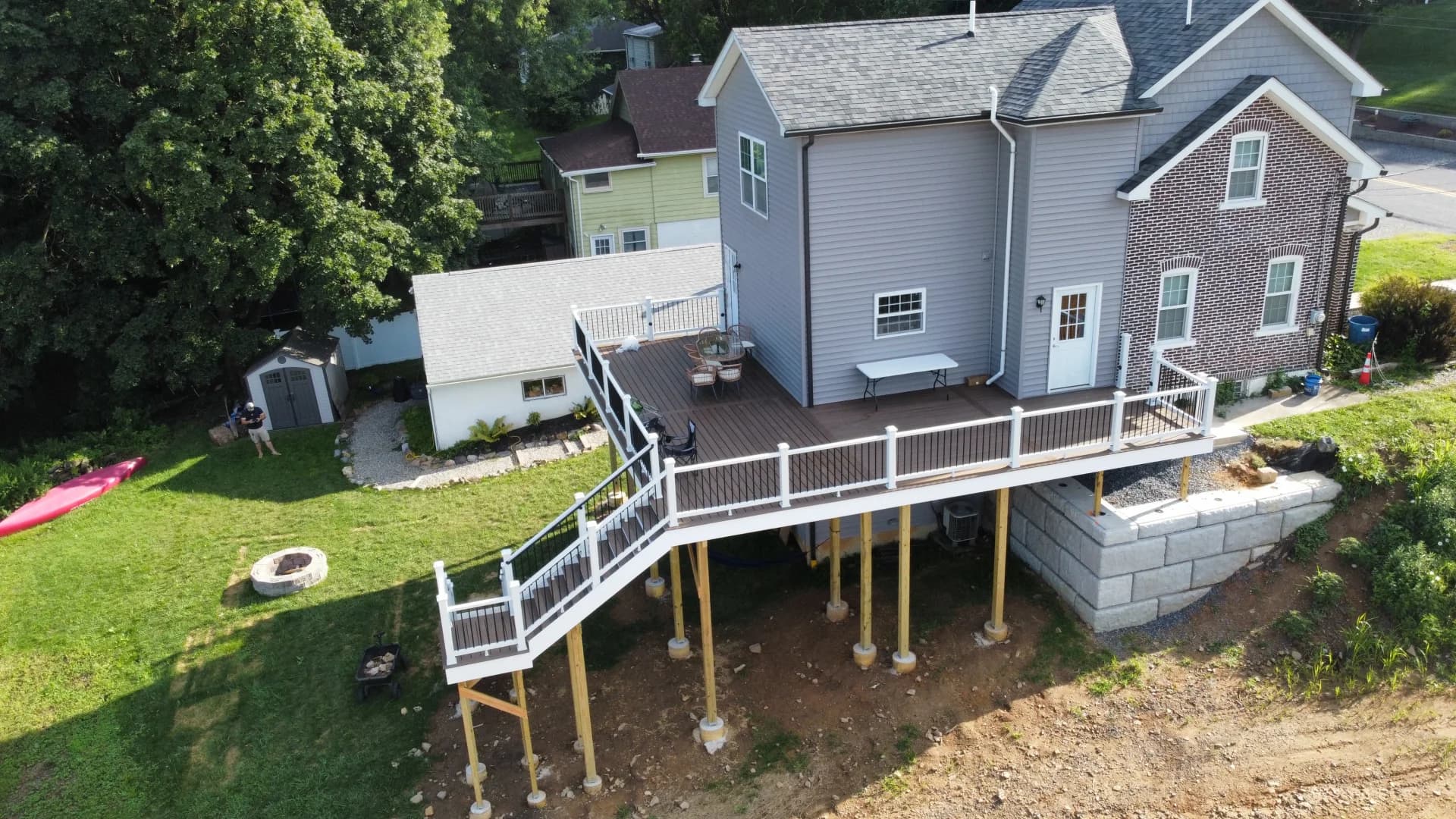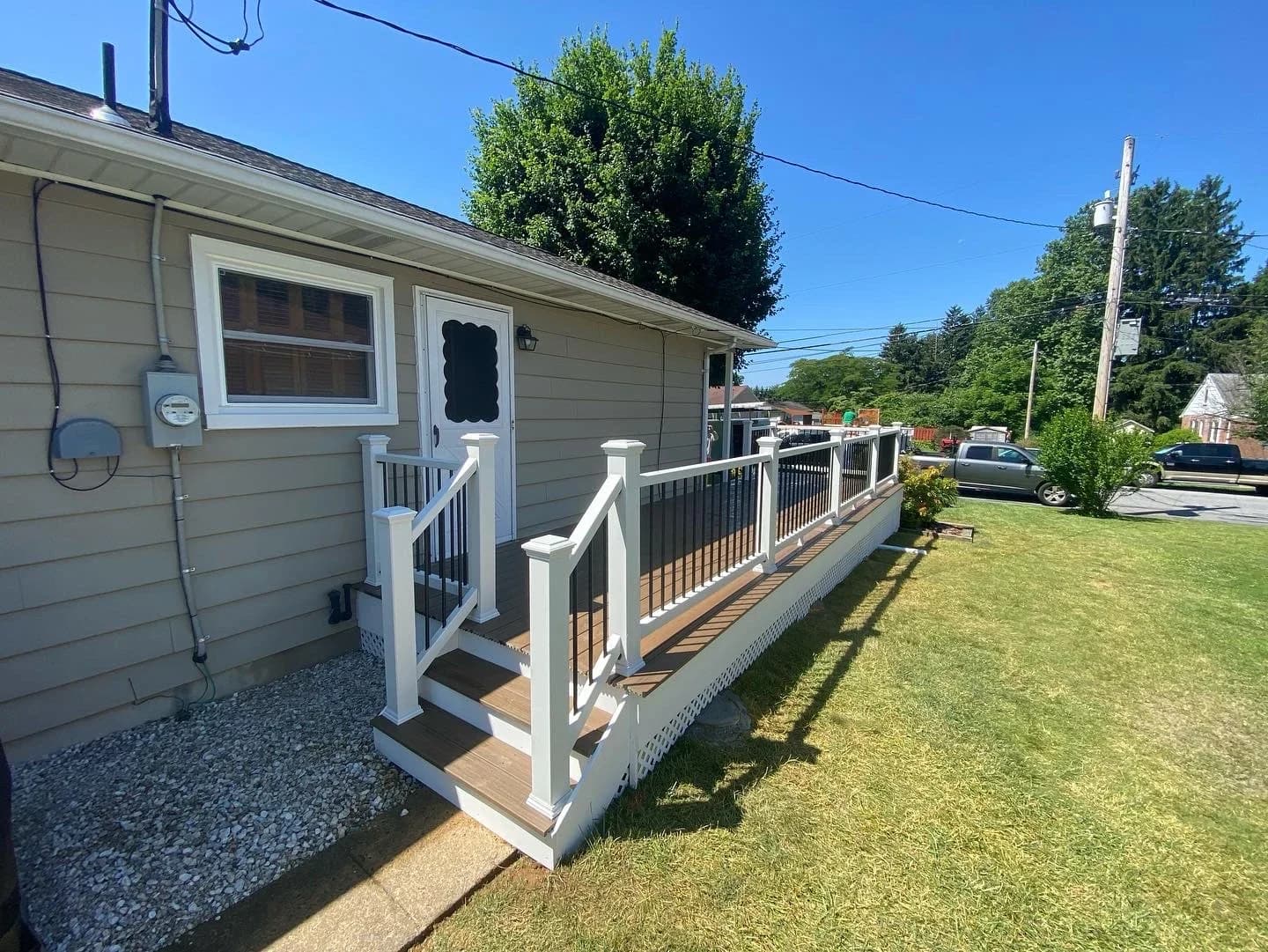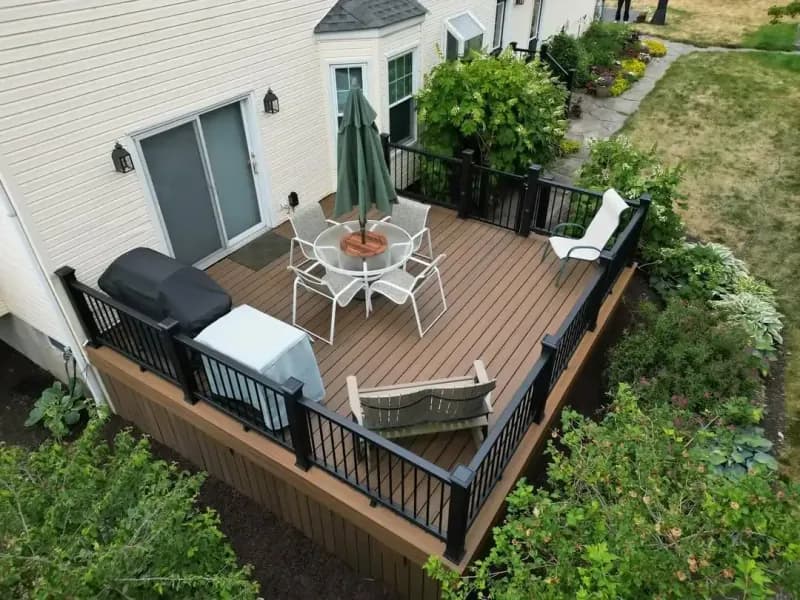
Multi-level decks are a top upgrade in 2026 because they solve multiple design problems at once: slope changes, entertaining needs, and traffic flow. When designed correctly, they feel like outdoor rooms stacked in a natural, connected way. Multi-level decks are a top upgrade in 2026 because they solve multiple design problems at once: slope changes, entertaining
Multi-level decks are a top upgrade in 2026 because they solve multiple design problems at once: slope changes, entertaining needs, and traffic flow. When designed correctly, they feel like outdoor rooms stacked in a natural, connected way.
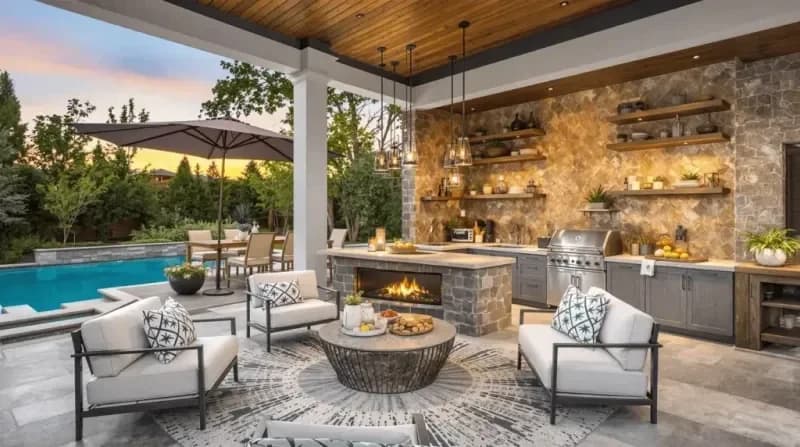
Most homeowners use the upper level for dining near the kitchen and the lower level for lounge or fire features. This separation keeps traffic smooth and makes the deck feel larger.
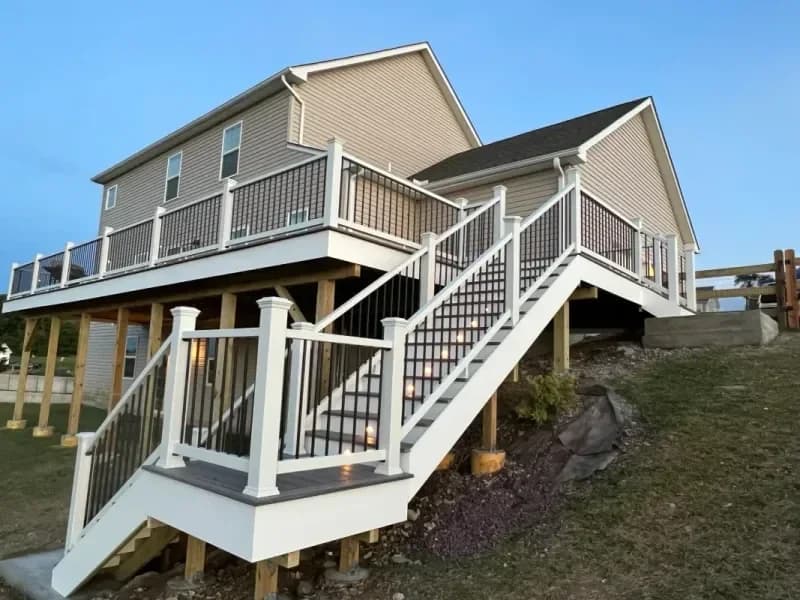
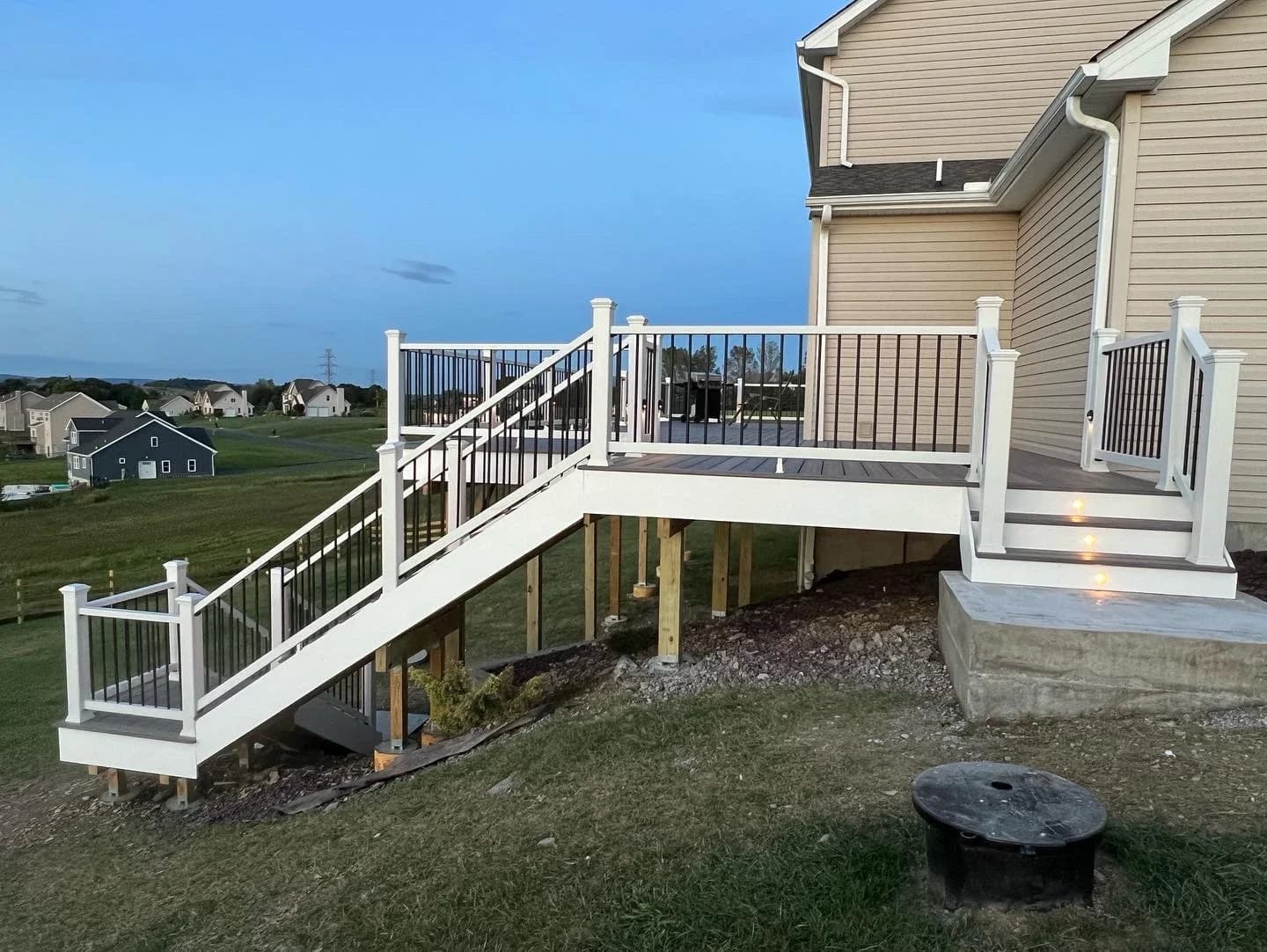
Stairs should guide movement naturally. Wider runs allow for seating and reduce the “ladder” feel of a multi-level build.
Use consistent decking and railing to unify the space. For contrast, add a picture-frame border on each level.
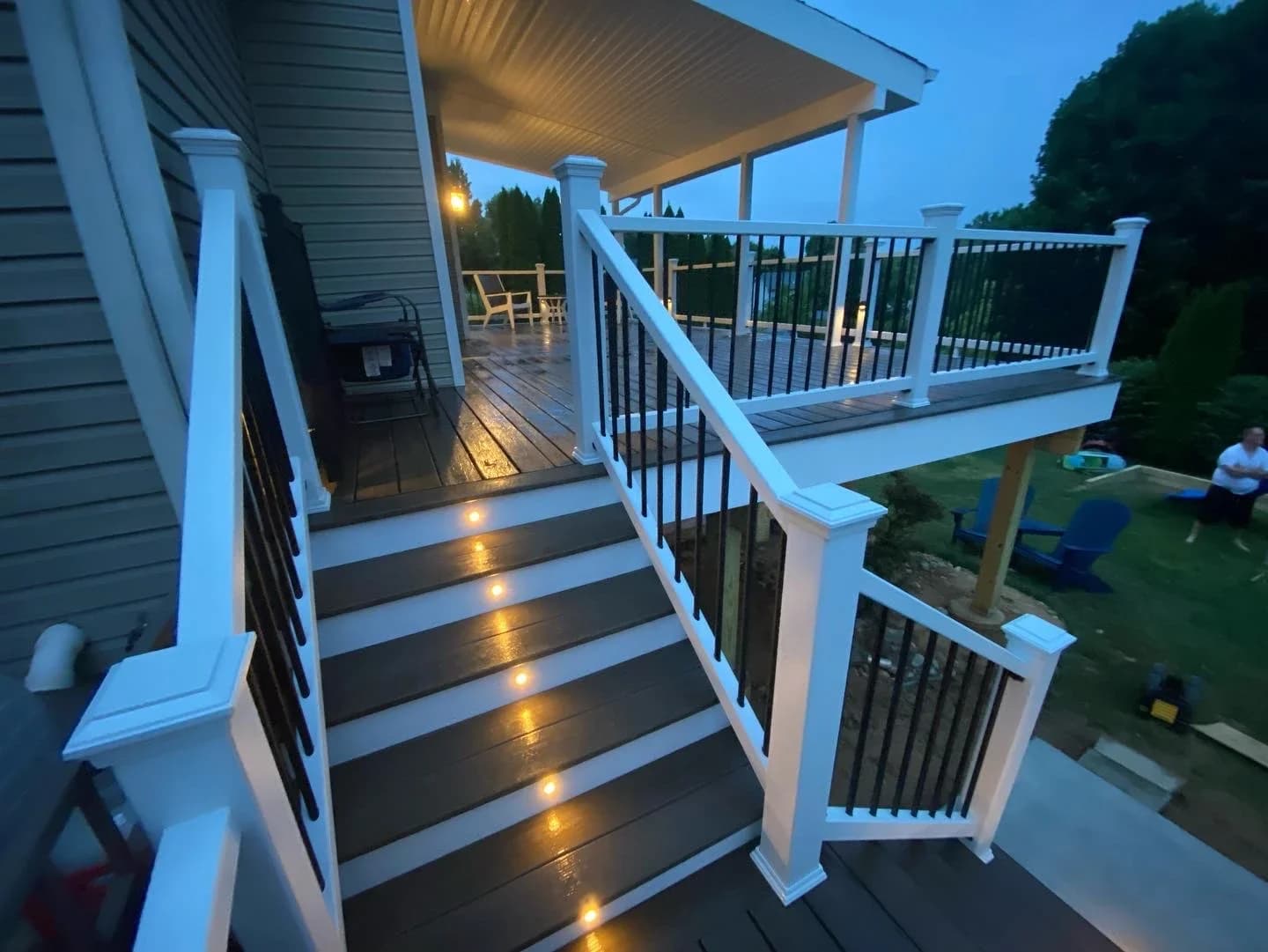
Stair riser lights and post caps prevent tripping and create a warm glow for evening use. Smart low-voltage systems make control easy.
Multi-level layouts often leave covered space under the upper deck. With drainage and ceiling finishes, you can create a dry patio or storage area.
We’ve built multi-level decks that incorporate hot tubs, outdoor kitchens, and privacy screens—each tailored to the homeowner’s lifestyle.
Our design team can turn a sloped yard into a functional, beautiful outdoor retreat. See recent projects or learn about deck construction services.
Yes, they require more framing and stairs, but they maximize usable space.
Most multi-level decks require permits due to elevation and structural complexity.
Absolutely—multi-level designs often work best in compact spaces.
Typically 1–3 weeks after permits and materials are ready.